8. Testing and Measurement
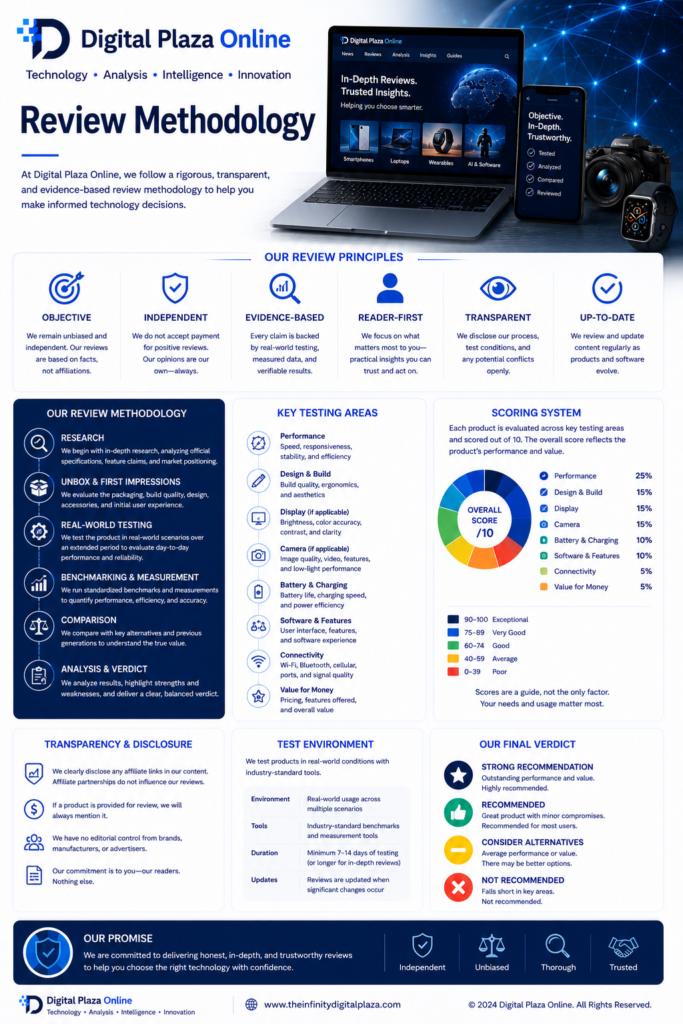
Digital Plaza is committed to progressively increasing the depth and independence of its testing capabilities.
At the current stage, Digital Plaza does not operate a dedicated in-house product testing laboratory.
Accordingly:
- Digital Plaza will not claim laboratory testing that has not been performed.
- Digital Plaza measurements will be clearly distinguished from independent laboratory measurements.
- Manufacturer claims will not be presented as Digital Plaza test results.
- Third-party test results will be attributed to their original source.
- Where testing is limited, the limitation may be disclosed.
As Digital Plaza develops additional testing infrastructure, instrumentation and engineering capabilities, the methodology will be expanded accordingly.
9. Testing Documentation
When Digital Plaza performs meaningful measurements or tests, the review should identify relevant conditions where practical.
Depending on the test, this may include:
- product configuration;
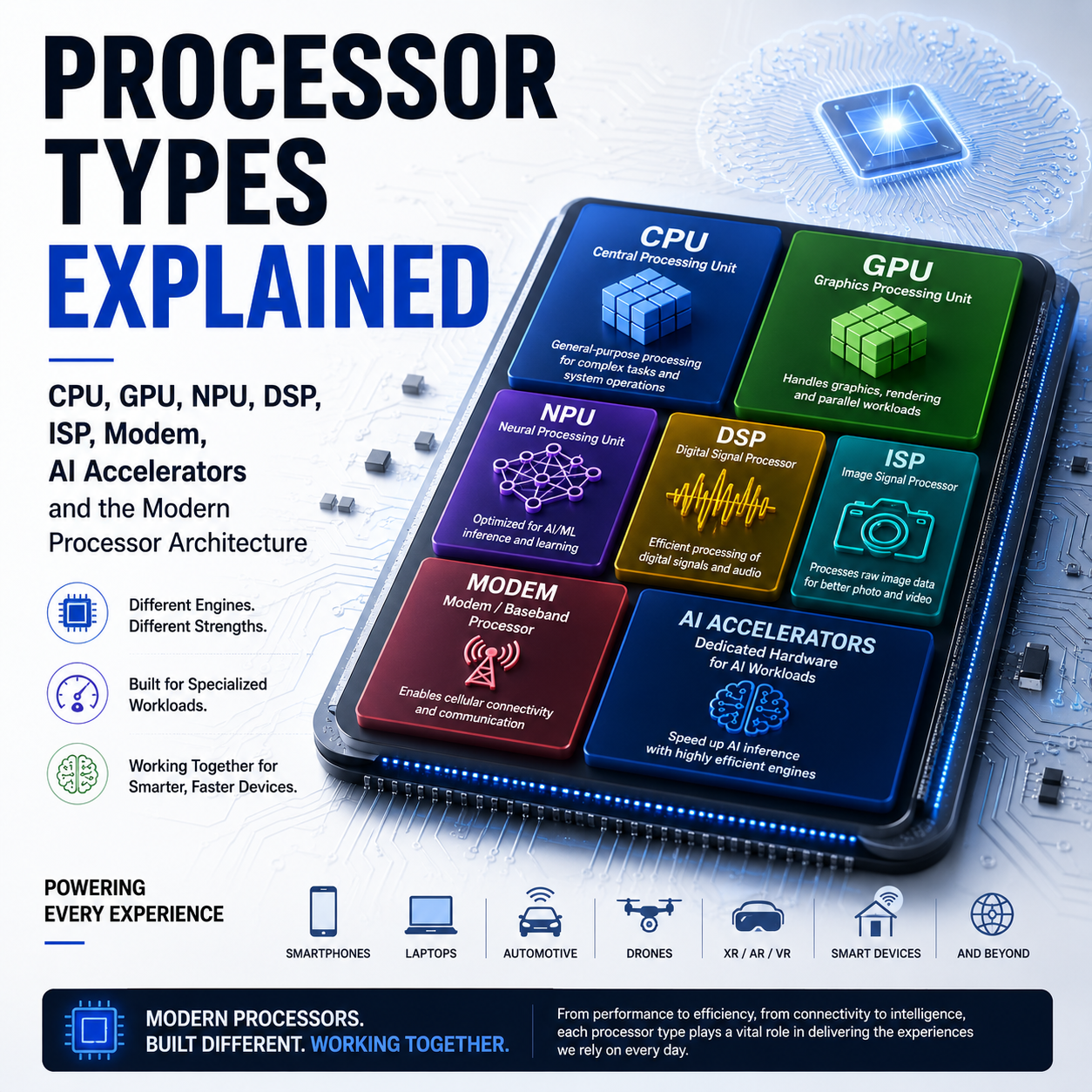
- processor or GPU configuration;
- RAM and storage;
- operating-system version;
- firmware version;
- application or benchmark version;
- power mode;
- display settings;
- network conditions;
- ambient temperature;
- workload;
- test duration;
- measurement tools;
- and other material variables.
The objective is to make results understandable, appropriately contextualized and reproducible where practical.
10. Performance Testing
Performance evaluation may combine:
- synthetic benchmarks;
- application workloads;
- gaming or graphics workloads;
- productivity workloads;
- AI workloads;
- sustained-performance testing;
- real-world observations;
- and independent benchmark evidence.
No individual benchmark is considered sufficient to establish overall product performance.
Digital Plaza considers:
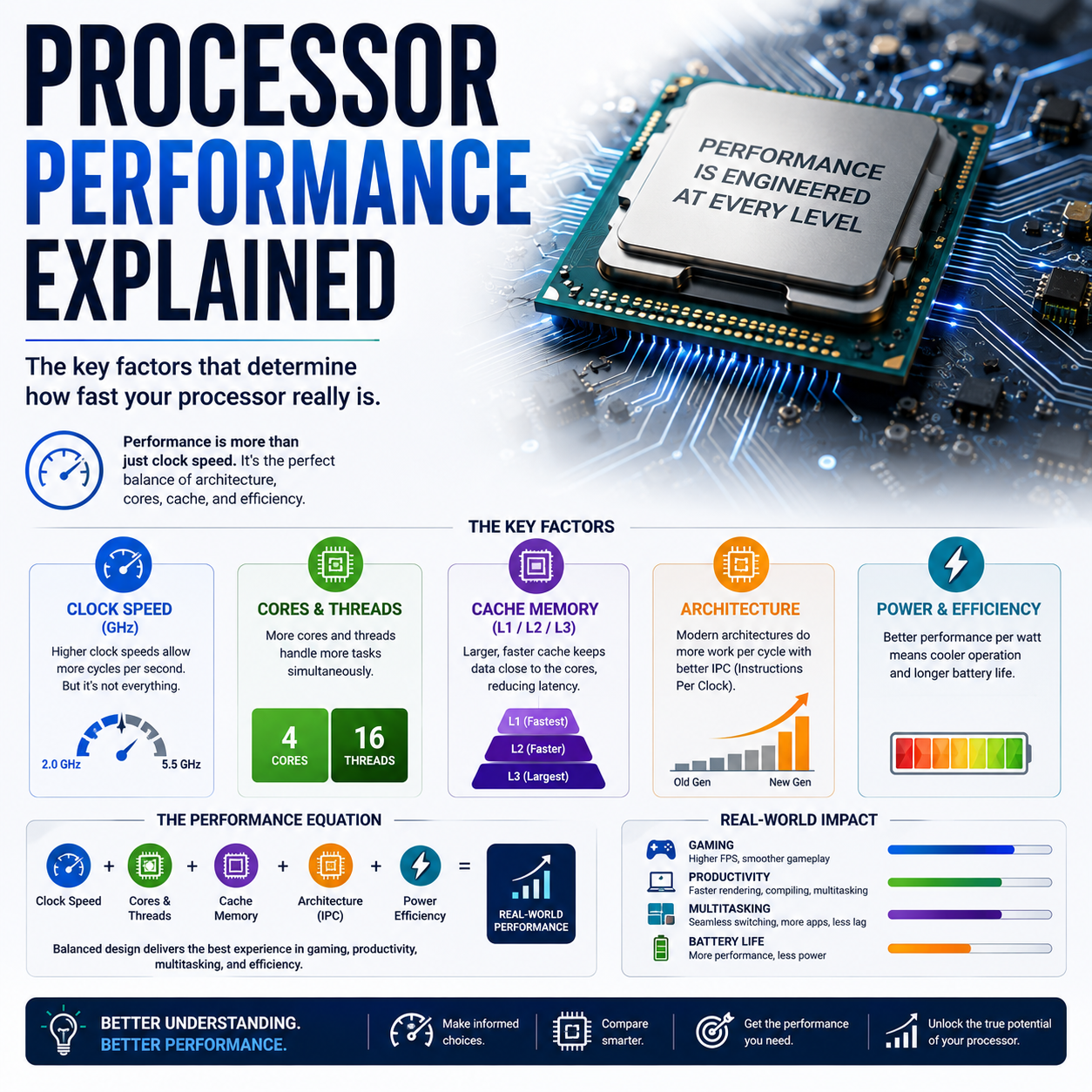
Performance + Efficiency + Sustained Behavior + Workload Relevance + Software Optimization + Price
rather than benchmark numbers alone.
Where two products produce similar benchmark results but differ substantially in sustained performance, efficiency, thermals or practical usability, those differences may materially affect the editorial verdict.
11. Battery and Power Evaluation
Battery performance is highly dependent on conditions.
Digital Plaza therefore distinguishes between:
- manufacturer battery claims;
- Digital Plaza battery measurements;
- third-party testing;
- and practical observations.
Where battery testing is performed, relevant variables may include:
- display brightness;
- refresh rate;
- network connection;
- workload;
- application mix;
- power mode;
- temperature;
- software version;
- battery condition;
- and device configuration.
Battery results should not be interpreted as universal guarantees of runtime.
Charging analysis may similarly consider:
- advertised charging capability;
- measured charging behavior where available;
- charger and cable configuration;
- thermal behavior;
- charging duration;
- and regional or accessory limitations.
12. Camera and Imaging Evaluation
Camera evaluation considers more than sensor specifications.
Depending on the product, Digital Plaza may examine:
- camera hardware;
- sensor characteristics;
- lenses;
- stabilization;
- autofocus;
- exposure;
- dynamic range;
- color rendering;
- detail;
- low-light performance;
- portrait imaging;
- zoom;
- video;
- computational photography;
- image-processing behavior;
- consistency;
- and practical usability.
Camera conclusions should distinguish between:
- technical capability;
- observed image quality;
- manufacturer claims;
- and editorial interpretation.
Digital Plaza will not imply that it captured, measured or compared photographic samples unless that work was actually performed.
13. Software and User Experience
Hardware specifications alone do not determine the quality of a technology product.
Digital Plaza may evaluate:
- interface design;
- usability;
- responsiveness;
- stability;
- application ecosystem;
- multitasking;
- customization;
- accessibility;
- security;
- software features;
- AI functionality;
- interoperability;
- update policy;
- support lifecycle;
- and ecosystem integration.
Software findings should identify the relevant software or firmware version when that information materially affects the conclusion.
14. AI Features
AI functionality is evaluated based on practical capability rather than branding.
Digital Plaza may consider:
- what AI models or services are supported;
- whether processing occurs locally or in the cloud;
- supported workloads;
- performance;
- latency;
- power efficiency;
- privacy implications;
- data requirements;
- availability by region;
- software dependencies;
- language support;
- and long-term platform support.
A device containing an NPU, AI accelerator or AI-branded feature is not automatically considered an effective AI device.
The usefulness of the complete hardware-software-model ecosystem is more important than the presence of an AI label.
15. Pricing and Value
Price is an important but time-sensitive component of a technology review.
Digital Plaza may distinguish between:
- announced price;
- launch price;
- official current price;
- prevailing market price;
- promotional price;
- regional price;
- and observed street price.
Value may also depend on:
- included accessories;
- warranty;
- software support;
- upgradeability;
- repairability;
- ecosystem;
- performance;
- longevity;
- and competing products.
A product that represents excellent value at one price may become a weaker recommendation when market pricing changes.
Accordingly, reviews may be updated when pricing materially changes.
16. Competitive Analysis
Digital Plaza reviews are not conducted in isolation.
A product is evaluated against relevant alternatives available to the reader.
Competitive analysis may consider:
- direct competitors;
- previous-generation products;
- products at similar prices;
- products with similar workloads;
- alternative platforms;
- ecosystem differences;
- performance;
- features;
- support;
- and long-term value.
The product with the highest specifications is not necessarily the best choice.
The editorial question is:
Which product is the better choice for which reader, and why?
17. Ratings and Scoring
Digital Plaza prioritizes explanation over artificial numerical precision.
Where an overall rating is provided, it represents editorial judgment informed by the evidence available at the time of publication.
Reviews should clearly communicate:
- Overall Rating;
- Strengths;
- Limitations;
- Best For;
- Not Ideal For;
- Key Alternatives;
- and Editorial Verdict.
Digital Plaza will avoid false precision, for example, assigning highly granular scores that imply a level of measurement accuracy that the underlying evidence cannot support.
As Digital Plaza’s independent testing infrastructure and laboratory capabilities mature, a more rigorous quantitative scoring framework may be introduced.
Any future scoring system will be documented publicly before being used as a major basis for comparison.
18. Editorial Verdict
The final verdict should answer practical reader questions.
Where applicable, a Digital Plaza review should address:
Who should buy it?
The audiences and use cases for which the product is particularly well suited.
Who should not buy it?
Situations where the product’s limitations make alternatives more appropriate.
What does it do exceptionally well?
The product’s strongest differentiating characteristics.
What are its major weaknesses?
Material limitations that could affect ownership or usability.
What are the alternatives?
Relevant competing products readers should consider.
Is it worth the price?
An assessment based on the price and market conditions applicable at the time of review.
How long is it likely to remain relevant?
Consideration of software support, hardware capability, ecosystem, performance headroom and technological longevity where evidence permits.
19. Review Confidence
Digital Plaza may communicate the confidence level associated with a review.
High Confidence
Extensive direct evaluation supported by substantial Digital Plaza testing or strong independent evidence.
Good Confidence
Strong evidence combined with meaningful hands-on experience and/or relevant testing.
Moderate Confidence
Good technical and independent evidence with partial hands-on access or limited testing.
Limited Confidence
Primarily research-based evaluation with limited direct product access or insufficient independent testing.
Review confidence does not mean that a product is good or bad.
It indicates the strength and completeness of the evidence supporting the evaluation.
20. Commercial Independence
Digital Plaza may generate revenue through:
- advertising;
- affiliate commerce;
- sponsorships;
- commercial partnerships;
- product relationships;
- and other legitimate business activities.
These relationships must not determine editorial conclusions.
Affiliate relationships do not guarantee:
- a positive review;
- a recommendation;
- a ranking;
- a higher score;
- inclusion in a buying guide;
- or continued coverage.
Digital Plaza may recommend a product without receiving an affiliate commission.
Digital Plaza may also criticize or decline to recommend a product even when commercial relationships exist.
Editorial judgment takes precedence over commercial opportunity.
21. Review Updates
Digital Plaza reviews are living editorial documents where appropriate.
Reviews may be updated when material new information becomes available, including:
- software updates;
- firmware changes;
- new features;
- security updates;
- price changes;
- availability changes;
- new competitors;
- revised specifications;
- new technical evidence;
- additional testing;
- significant ecosystem changes;
- or long-term usage findings.
Material updates should be distinguishable from the original publication where appropriate.
A product’s original review should not be treated as permanently frozen when important information changes.
22. Corrections
Digital Plaza distinguishes between corrections and ordinary updates.
A correction addresses inaccurate or misleading information.
An update adds materially new information or reflects a legitimate change in the product, market or evidence.
Examples of information that may require correction include:
- incorrect specifications;
- incorrect benchmark results;
- inaccurate pricing;
- incorrect software information;
- misidentified hardware;
- incorrect attribution;
- or factual errors affecting the review’s conclusions.
Corrections are governed by the Digital Plaza Corrections & Updates Policy.
Where an error materially affects the review’s conclusion, Digital Plaza may revise the relevant analysis and disclose the change appropriately.
23. Sources and Attribution
Digital Plaza uses sources appropriate to the subject and evidence required.
Primary and authoritative sources are preferred where available, including:
- manufacturer documentation;
- technical documentation;
- regulatory information;
- standards organizations;
- academic research;
- official developer documentation;
- and original datasets.
Secondary sources may be used where appropriate.
External information should be attributed accurately and should not be presented as independently verified Digital Plaza evidence unless Digital Plaza has actually verified it.
24. Visual and Testing Evidence
Images, charts, benchmark graphics, diagrams and other visual material must accurately represent the evidence they communicate.
Digital Plaza will distinguish between:
- manufacturer imagery;
- Digital Plaza photography;
- licensed imagery;
- original Digital Plaza graphics;
- independent testing visuals;
- and illustrative or AI-assisted visuals.
Visual presentation must not falsely imply:
- physical product possession;
- testing;
- laboratory measurement;
- product condition;
- performance;
- or other evidence that does not exist.
Charts and comparisons should use appropriate units, labels and source attribution.
25. Limitations and Uncertainty
Technology reviews inevitably contain uncertainty.
Digital Plaza will communicate uncertainty when it materially affects a conclusion.
Examples include:
- incomplete testing;
- unavailable review units;
- regional differences;
- changing software;
- evolving AI capabilities;
- manufacturer claims without independent verification;
- rapidly changing prices;
- limited sample sizes;
- or insufficient long-term evidence.
Digital Plaza will not manufacture certainty where the evidence does not support it.
26. Future Digital Plaza Labs
Digital Plaza intends to expand its technical capabilities over time.
Future development may include:
- dedicated laboratory facilities;
- standardized test procedures;
- engineering expertise;
- instrumentation;
- performance databases;
- device characterization;
- component testing;
- thermal and acoustic testing;
- display measurement;
- battery and charging analysis;
- AI workload testing;
- networking evaluation;
- and proprietary research datasets.
These capabilities will be incorporated into the Review Methodology as they become operational.
Digital Plaza will not describe planned capabilities as existing capabilities.
The objective is to progressively move from primarily evidence-based editorial evaluation toward deeper independent testing, measurement and technology research.
27. Methodology Governance
This methodology is maintained as a living editorial standard.
It may be revised when:
- Digital Plaza’s testing capabilities expand;
- new technology categories require different evaluation criteria;
- industry standards change;
- new evidence practices become available;
- scoring systems evolve;
- or editorial experience identifies opportunities for improvement.
Material methodology changes should be versioned and dated.
The latest published version represents the methodology currently used by Digital Plaza.
28. Our Commitment
Digital Plaza reviews are intended to be:
Accurate without false certainty.
Technical without becoming inaccessible.
Analytical without presenting opinion as fact.
Useful without becoming promotional.
Commercially sustainable without allowing commerce to control editorial judgment.
Ambitious without claiming capabilities that do not yet exist.
Our long-term objective is to build a technology review system supported by increasingly rigorous testing, measurement, engineering expertise, proprietary data and research.
Until those capabilities exist, Digital Plaza will be explicit about what it has tested, what it has observed, what comes from independent evidence, what manufacturers claim, and where uncertainty remains.
The goal is simple: help readers make better technology decisions—and build the evidence infrastructure required to make those decisions increasingly precise over time.