APX
APX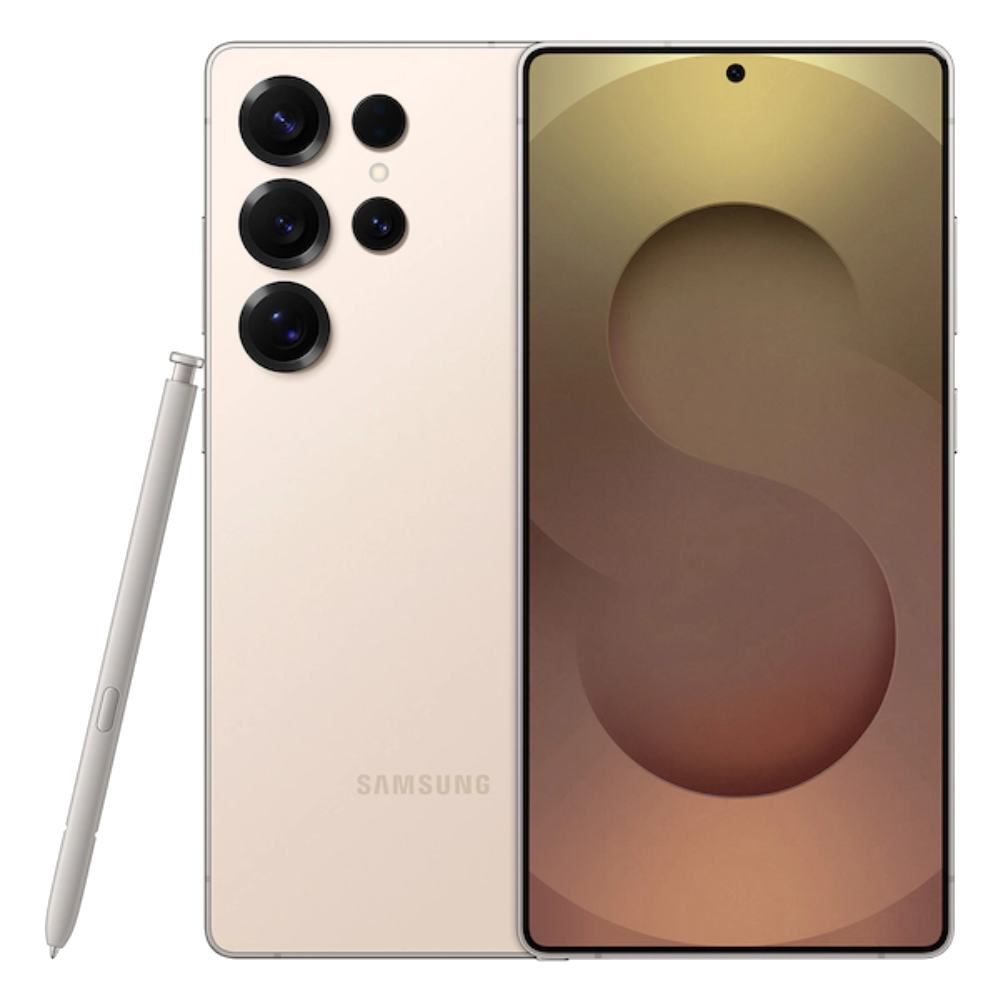
Samsung Galaxy S25
A Deep Professional Analysis of Samsung’s Compact Flagship Strategy
The Samsung Galaxy S25 represents a strategic refinement rather than a radical reinvention of Samsung’s flagship smartphone philosophy. Instead of pursuing aggressive hardware escalation, Samsung has prioritized performance efficiency, artificial intelligence integration, display optimization, and long-term software sustainability.
Positioned as the compact premium flagship within the Galaxy S-series ecosystem, the S25 is engineered to deliver high-end capabilities without the size, cost, or specialized focus associated with Ultra-tier models.
This device reflects broader industry shifts toward AI-centric mobile computing, chipset specialization, and extended software lifecycle commitments — three pillars that now define modern flagship competition.
Strategic Market Positioning
Within the premium smartphone landscape, the Galaxy S25 occupies a critical niche: the compact flagship segment. This category targets professionals, power users, and technology enthusiasts who demand flagship performance while maintaining ergonomic usability.
Unlike Ultra models that emphasize maximum hardware specifications — such as extreme zoom photography or stylus productivity — the S25 focuses on delivering balanced performance architecture.
From a strategic perspective, Samsung uses the base Galaxy S model as a gateway product into its broader ecosystem. The S25 serves as an entry point to high-value integrations including:
-
Galaxy wearables
-
SmartThings automation
-
Cross-device productivity continuity
-
Samsung Knox enterprise security
This positioning strengthens Samsung’s premium brand identity while expanding its ecosystem adoption.
Design Engineering and Display Innovation
The Galaxy S25 continues Samsung’s tradition of premium industrial design, emphasizing ergonomics and structural refinement.
Its compact form factor enhances one-hand usability — a feature increasingly valued by professionals and mobile productivity users.
The device incorporates:
-
Advanced aluminum alloy frame construction
-
Reinforced Gorilla Glass protection
-
Symmetrical minimalist aesthetics
The 6.2-inch Dynamic AMOLED 2X display remains one of the strongest competitive advantages.
Key display innovations include:
-
Adaptive refresh rate scaling from low Hz to 120 Hz
-
Real-time HDR optimization algorithms
-
Industry-leading brightness and color accuracy
These technologies enhance battery efficiency while delivering superior visual performance across gaming, media consumption, and productivity workflows.
Performance Architecture and Processing Efficiency
At the core of the Galaxy S25 lies the Snapdragon 8 Elite chipset, designed specifically for AI-intensive mobile workloads.
Its architecture integrates:
-
High-performance CPU clusters
-
Advanced GPU rendering engines
-
Dedicated neural processing units (NPUs)
This configuration enables:
-
Seamless multitasking
-
High-frame-rate gaming
-
Real-time computational photography
-
Efficient AI inference processing
Samsung has also improved thermal engineering through enhanced vapor-chamber cooling systems, ensuring sustained performance stability during prolonged heavy usage.
AI-First Smartphone Evolution
The Galaxy S25 marks Samsung’s transition toward AI-native smartphone design.
Artificial intelligence is deeply embedded across multiple system layers, including:
-
Photography enhancement
-
User interface automation
-
Productivity tools
-
Battery optimization
Key AI capabilities include:
-
Real-time call translation
-
Intelligent photo editing
-
Context-aware task suggestions
-
Adaptive power management
-
AI-assisted writing tools
Notably, many AI processes run on-device, improving privacy protection while reducing latency.
This reflects a major industry trend toward edge AI computing, where smartphones function as autonomous intelligent processing nodes.
Computational Imaging Strategy
Rather than escalating sensor hardware alone, Samsung has focused on computational imaging optimization.
The triple-camera system is designed for versatility and consistency across everyday photography scenarios.
Advanced AI algorithms enhance:
-
Dynamic range processing
-
Low-light image clarity
-
Motion stabilization
-
Multi-frame exposure blending
This approach ensures reliable performance across diverse lighting conditions without prioritizing extreme zoom capabilities found in Ultra models.
Battery Intelligence and Power Optimization
Battery technology in the Galaxy S25 emphasizes intelligent power management rather than capacity expansion.
The 4000 mAh battery is supported by adaptive algorithms that:
-
Monitor usage behavior patterns
-
Dynamically allocate system resources
-
Optimize background processes
This ensures all-day endurance while maintaining efficient performance levels.
Additional features such as wireless charging and reverse charging expand functional versatility within Samsung’s ecosystem.
Software Longevity and Ecosystem Integration
One of the S25’s strongest competitive advantages is its long-term software support policy.
Samsung provides:
-
Up to seven years of OS upgrades
-
Extended security patch coverage
-
Continuous feature enhancement updates
This significantly increases device lifecycle value, particularly for enterprise users and long-term consumers.
The One UI ecosystem further enhances productivity through:
-
Multi-window multitasking
-
Secure enterprise environments
-
Cross-device workflow continuity
Connectivity and Future-Ready Infrastructure
The Galaxy S25 incorporates next-generation connectivity technologies to support evolving digital infrastructure.
These include:
-
Advanced 5G networking
-
High-speed wireless standards
-
Seamless smart-home ecosystem integration
Through SmartThings connectivity, the device functions as a central control hub for connected environments.
Market Impact and Competitive Position
In the premium flagship market, the Galaxy S25 competes directly with high-end offerings from Apple, Google, and leading Chinese manufacturers.
Its primary strengths lie in:
-
Display leadership
-
AI integration depth
-
Software longevity commitment
-
Ecosystem synergy
Rather than excelling in isolated hardware specifications, Samsung’s strategy focuses on delivering holistic flagship balance.
Conclusion
The Samsung Galaxy S25 represents the evolving direction of flagship smartphones toward intelligent, efficient, and sustainable computing platforms.
By prioritizing AI integration, software longevity, and ecosystem connectivity, Samsung has positioned the S25 as a future-ready flagship device.
For professionals, technology enthusiasts, and users seeking a balanced premium experience, the Galaxy S25 offers a compelling combination of performance, innovation, and long-term value.