APX
APX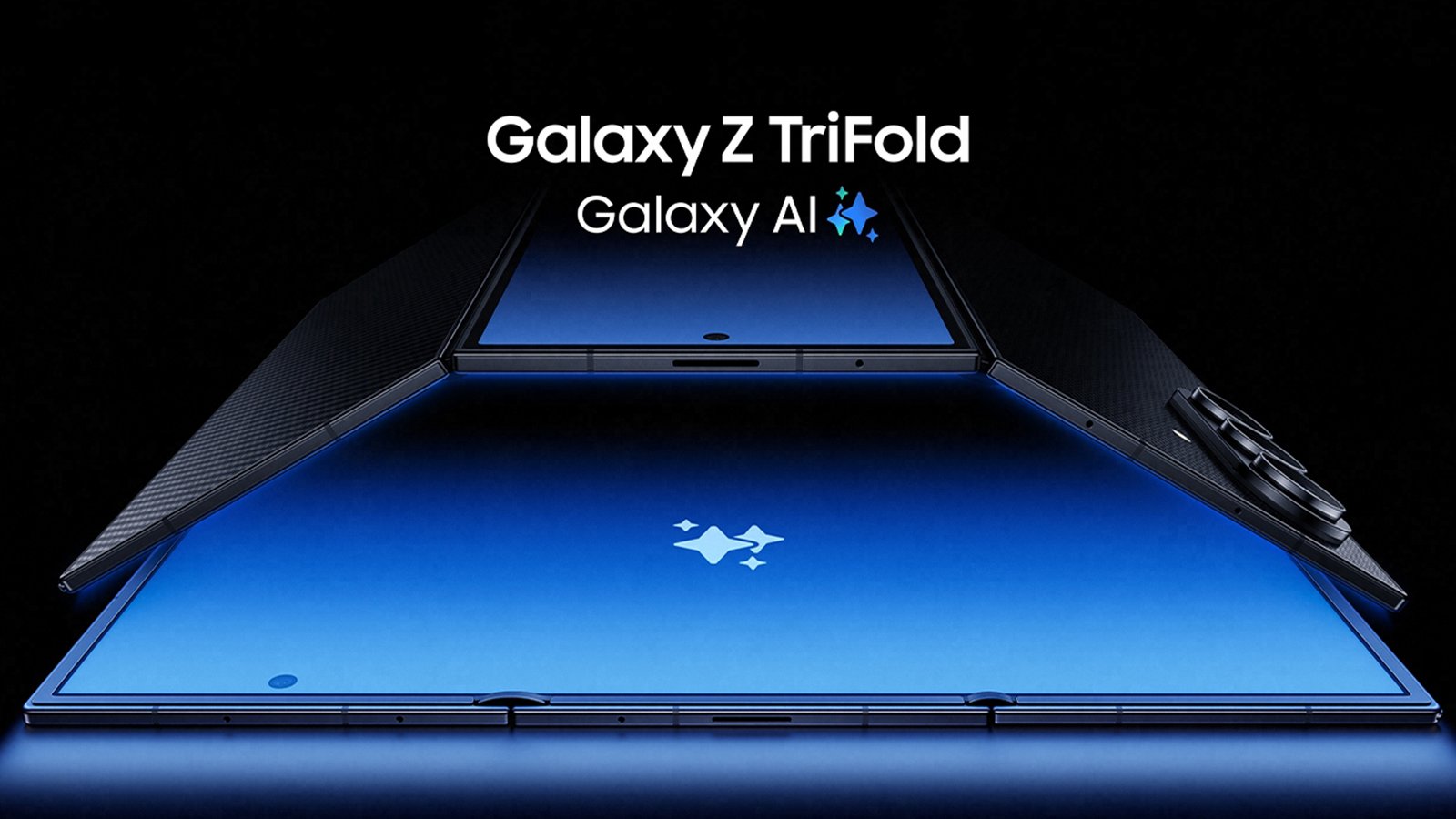
Samsung Galaxy Z TriFold: When Foldables Go Ultra-Large
The Dawn of a New Foldable Era in Mobile Technology
In a world where smartphone innovations often feel incremental, Samsung Electronics dared to push the envelope — introducing the Galaxy Z TriFold, a first-of-its-kind tri-folding smartphone that expands the boundaries of what mobile devices can be. Moving far beyond traditional candy-bar slabs or even conventional dual-fold foldables, the TriFold combines cutting-edge engineering with forward-thinking design to create a device that truly inhabits the space between phone, tablet, and portable workstation.
Officially announced in December 2025 and released in South Korea on December 12, the Galaxy Z TriFold began rolling out globally through early 2026, with availability in markets including China, Singapore, and the United States.
This is not a device for everyone — it’s a premium experiment designed to inspire the future of mobile computing and demonstrate how flexible displays, advanced multitasking, and productivity-centric features can reshape our interaction with technology.
A Bold Leap in Foldable Hardware
The Tri-Fold Mechanism
At the heart of this device lies a dual-hinge, tri-fold display — a concept rarely attempted at scale before. Unlike typical foldables that use a single primary fold (such as the Galaxy Z Fold series), the TriFold features two independent folding points, enabling it to collapse into a compact phone or unfurl into a tablet-like 10-inch canvas with a large, uninterrupted screen.
This design allows a fluid transition from pocket-friendly mode to a productivity-oriented tablet mode, with the main dynamic LTPO AMOLED display delivering up to 120 Hz adaptive refresh rate and 1600 nits peak brightness for vivid visuals.
When folded, the TriFold still offers a 6.5-inch cover display — perfect for regular phone tasks — while opening it up transforms the experience entirely, turning the device into an immersive platform for multitasking, gaming, and creativity.
Innovative Hinge Engineering
Unlike the single hinge seen in most foldables, Samsung’s tri-fold architecture uses two precision-engineered hinges that allow uniform folding and unfolding movements while maintaining structural integrity. This is crucial; three panels mean increased complexity and potential points of failure — requiring Samsung to refine both the hinge design and internal bonding processes to achieve smooth, reliable operation.
The result? A tablet-sized device that tucks back into a somewhat slim 12.9 mm folded profile — impressive given the layered display configuration.
Performance and Multitasking Powerhouse
Futuristic Hardware Inside
Under the hood, the Galaxy Z TriFold houses the Qualcomm Snapdragon 8 Elite for Galaxy chipset — a purpose-tuned version of Qualcomm’s flagship silicon optimized for foldables — paired with 16 GB RAM and up to 1 TB of storage.
This configuration offers:
-
Ultra-fast CPU and GPU performance — ideal for high-resolution gaming, video editing, and intensive multitasking.
-
Enhanced AI processing — driving on-device machine learning features and adaptive UI behaviors.
-
Battery efficiency — balanced across a 5600 mAh battery that’s distributed across the device’s three panels, helping ensure longevity even with heavy usage.
The OS powering this innovation is Android 16 with Samsung’s One UI 8, delivering optimizations tailored for large foldable screens, taskbar support, and enhanced productivity tools that take advantage of the tri-fold form factor.
Notably, Samsung has engineered this device to support up to four distinct virtual workspaces and Samsung DeX integration, blurring the line between mobile and desktop computing on a single unfolded screen.
Display That Transcends Smartphone Expectations
The Galaxy Z TriFold’s display is where its ambition becomes palpable. When opened, users experience a 10-inch Dynamic AMOLED 2X main display with a generous 2160 × 1584 resolution — delivering cinematic screen real estate, refined color accuracy, and ultra-smooth 120 Hz refresh rates.
Given the expansive surface area, multi-app multitasking isn’t just possible — it’s intuitive. Imagine running multiple windows simultaneously or editing documents while referencing web pages — all on the same screen without the need for external monitors.
When folded, the 6.5-inch cover screen retains a similarly premium visual experience with adaptive refresh and peak brightness reaching 2600 nits, ensuring visibility even in bright outdoor settings.
This blend of dual-screen modes — a pocket-friendly exterior and a large interior canvas — is what makes the TriFold a shape-shifting device that adapts to task, context, and user intention.
Cameras: Flagship-Class Imaging on a Foldable
Samsung didn’t hold back on imaging hardware. The Galaxy Z TriFold sports a triple rear camera array featuring:
-
A 200 MP primary sensor for ultra-detailed shots.
-
A capable telephoto lens and wide/slightly ultrawide modules.
-
A 10 MP front camera integrated into the main display for group selfies or video calls.
Advanced imaging features like Nightography ensure low-light performance doesn’t disappoint, while the large main display provides immediate feedback and editing flexibility after capture.
Completing the camera story, the TriFold supports enhanced zoom, HDR capture, and scene optimization powered by its AI-accelerated image processing pipeline.
Battery, Charging, and Real-World Use
Despite its radical design, the Galaxy Z TriFold includes a 5600 mAh battery — distributed to balance weight and thermal efficiency across its panels.
Charging support includes 45 W wired fast charging, helping the device reach a meaningful charge level in a relatively short time — crucial for a device intended for productivity and on-the-go workflows.
In practical usage, the tri-fold design and large screen might nudge battery life more than a typical slab phone, but Samsung’s power-management optimizations across multiple screens aim to maintain all-day usability even under mixed loads.
Pricing, Availability, and Market Position
The Galaxy Z TriFold represents Samsung’s premium vision of folding tech. Retail pricing has been around $2,899 in the U.S. market for the base configuration, making it one of the most expensive mobile devices Samsung has ever produced.
While this high entry price places it beyond mass-market appeal, early markets in Korea, China, and parts of Southeast Asia suggest solid interest from early adopters and tech enthusiasts, with initial units reportedly selling out quickly despite limited promotional campaigns.
Samsung’s strategy with the TriFold appears to be less about volume and more about positioning — defining what the future of foldables might look like and gauging consumer appetite for larger flexible screens before competitors (including possible Apple foldables) enter the space.
Challenges and Critical Perspectives
While the engineering achievement is undeniable, some early durability tests have raised questions about long-term structural resilience under repeated folding cycles — an issue that complex hinge devices face more than conventional foldables.
Moreover, the premium price and unconventional form factor — thicker and heavier than typical smartphones — could polarize buyers who prioritize portability over screen size.
Despite these challenges, the Galaxy Z TriFold stands as a testament to Samsung’s innovation roadmap and dedication to exploring the full spectrum of flexible display technologies.
Verdict: A Glimpse at Mobile’s Future
The Samsung Galaxy Z TriFold isn’t just another smartphone — it’s a bold exploration of what mobile computing can become. With its expansive 10-inch display, advanced Snapdragon 8 Elite performance, flagship-level cameras, and productivity-boosting software layer, it bridges the gap between phone, tablet, and workspace device.
It may not be designed for everyone — but for professionals, creators, and future-minded users eager to explore new interfaces and workflows, the TriFold delivers both innovation and insight into tomorrow’s foldable paradigm.
TriFold Verdict – Key Takeaways:
⭐ Largest foldable screen yet — tablet-like real estate in a pocketable package.
⭐ Flagship performance with Snapdragon 8 Elite and 16 GB RAM.
⭐ Premium camera system with 200 MP main sensor.
⭐ Advanced multitasking & productivity features, including Samsung DeX.
⭐ High-end price and experimental positioning.