APX
APX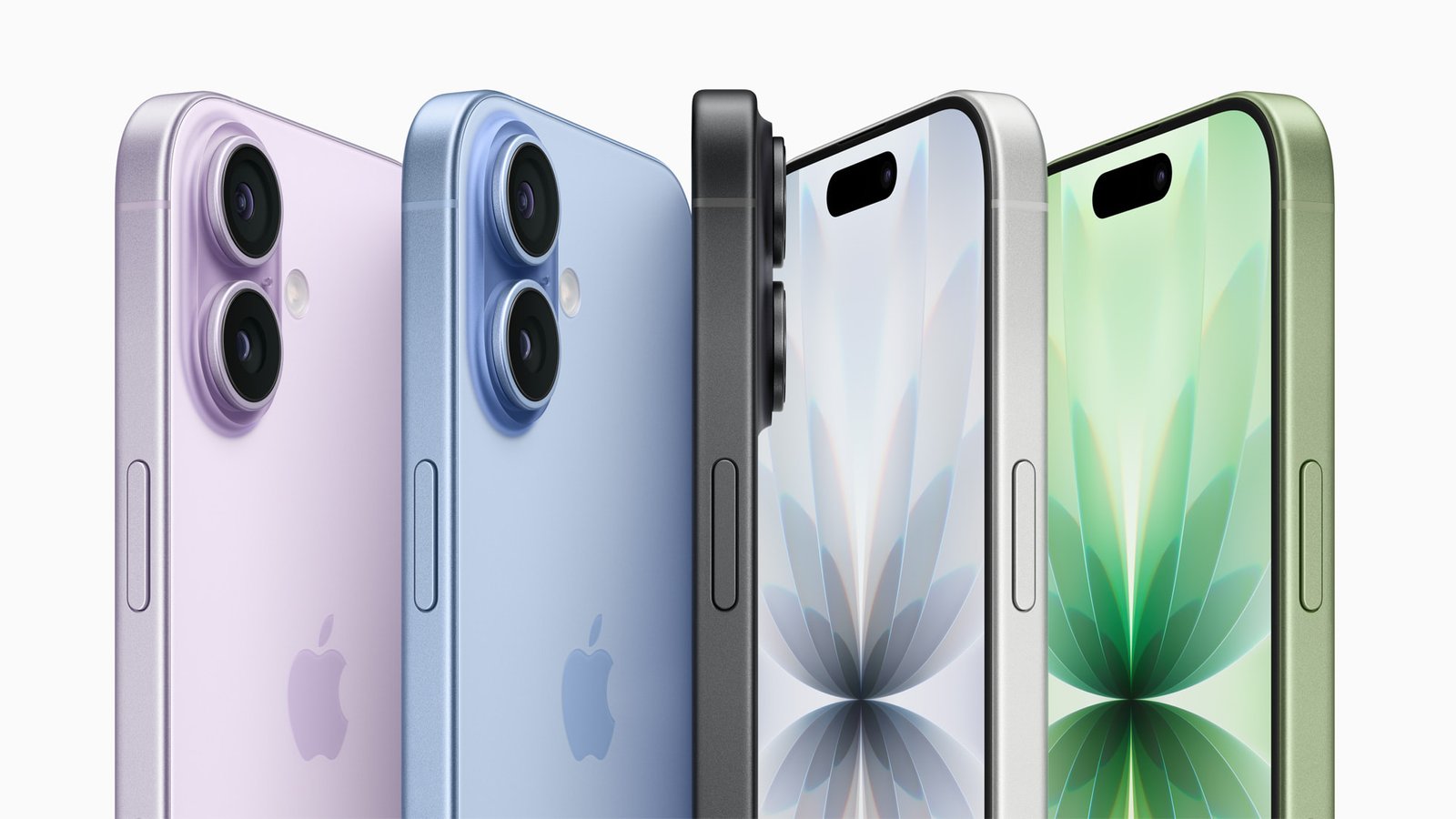
iPhone 17 — Apple’s New Mid-Tier Champ with ProMotion Power
A Deep Dive into Design, Display, Performance, Camera, and Real-World Experience
In Apple’s 2025 smartphone lineup, iPhone 17 stands out as a strategic pivot — a device that brings historically Pro-exclusive features to the “standard” model, without drifting into ultra-premium pricing. It’s not just an incremental refresh; it represents Apple’s push to democratize signature innovations like ProMotion and advanced computational photography on a broader scale.
Originally unveiled in September 2025 during Apple’s annual fall event, the iPhone 17 ushers in a new era for the base iPhone category — delivering ProMotion 120 Hz adaptive displays and Apple’s custom A19 chip as core differentiators. This combination reshapes expectations of what a mainstream iPhone can deliver in daily use.
Below, we unpack the iPhone 17 across design, display, performance, imaging, battery, software, ecosystem advantages, competitive positioning, and long-term value.
Design and Build: Refined, Familiar, Yet Subtly Better
At first glance, the iPhone 17 preserves Apple’s recognizable design language: clean, flat edges, premium materials, and meticulous attention to detail. But subtle refinements set it apart:
-
Ceramic Shield 2 front delivers up to three times more scratch resistance than previous generations, enhancing durability for everyday wear and tear.
-
The 6.3-inch body feels balanced in hand, not too large yet completely immersive — a design sweet spot for users who prefer ease of one-handed use without sacrificing screen real estate.
-
Apple offers an attractive range of colors and a lightweight profile that blends comfort with refinement.
This generation also drops the “Plus” size option, simplifying Apple’s lineup while steering buyers who crave larger screens toward the Pro or Pro Max variants.
Trend Insight: Apple’s conservative design evolution highlights maturity — form factor refinement over revolution — allowing the flagship features to speak louder than aesthetics alone.
Display: ProMotion Comes to the People
Arguably the most discussed upgrade in the iPhone 17 is the inclusion of ProMotion technology, featuring an adaptive refresh rate up to 120 Hz. This was once exclusive to Apple’s Pro models.
Here’s what makes it impactful:
-
Super Retina XDR OLED panel — 6.3-inch diagonal with 2622 × 1206 resolution, delivering crisp visuals and vibrant color depth.
-
Adaptive refresh rate up to 120 Hz enhances scrolling fluidity and responsiveness — especially noticeable in animations, UI transitions, and motion-intensive apps.
-
Peak brightness up to 3,000 nits ensures readability even under harsh sunlight — a significant leap in usability.
-
ProMotion can dynamically shift down to 1 Hz to conserve battery when high refresh isn’t needed.
-
Ceramic Shield 2 and anti-reflective layers elevate durability and outdoor clarity.
User Experience: Whether you’re scrolling social feeds, gaming, editing photos, or watching high-frame-rate videos, the 120 Hz refresh rate delivers a perceptible smoothness that elevates daily interactions.
Performance: The A19 Chip — Muscle and Efficiency Combined
Under the hood, the iPhone 17 is powered by Apple’s A19 chip, a 3 nm-class System-on-Chip (SoC) with significant improvements in CPU, GPU, and Neural Engine performance.
Key aspects:
-
6-core CPU (2 performance + 4 efficiency cores) strikes a balance between raw speed and energy thrift.
-
5-core GPU with hardware-accelerated ray tracing delivers class-leading graphics performance for both games and creative apps.
-
16-core Neural Engine bolsters machine learning tasks — from camera processing to real-time on-device AI features.
Benchmark analyses place the iPhone 17’s performance firmly ahead of many Android competitors in its class, even when compared to some larger flagships.
Practical Impact: Everyday tasks — from email and browsing to gaming and content creation — feel fluid and responsive. The efficiency gains also translate into longer battery life under real-world workloads.
Camera: Dual 48 MP System Fit for Creative Work
Apple did not cut corners with imaging on the iPhone 17. While some Pro-level extras are reserved for higher-tier models, the base iPhone 17 camera system is nothing to sneeze at:
-
48 MP Dual Fusion rear cameras — a main and an ultra-wide sensor for flexible framing.
-
Ultra-wide lens excels at landscapes and macro shots, while the main sensor captures rich detail and color fidelity.
-
18 MP Center Stage front camera intelligently reframes subjects in real time for better group selfies and video calls.
-
Photographic features like Night mode, Portrait mode, and Cinematic mode extend creative possibilities.
-
Dual Capture enables simultaneous front/back video, enriching storytelling capabilities.
Why It Matters: The iPhone 17 invites both casual photographers and social creators to capture compelling content without needing accessory gear — a hallmark of Apple’s broader camera strategy.
Battery Life and Charging: Optimized for Everyday Use
Apple advertises “all-day” battery life on the iPhone 17 — a claim largely supported by real-world usage patterns.
Highlights:
-
Adaptive refresh rate contributes to power savings.
-
A19’s efficiency improves endurance compared with prior models.
-
Fast charging can top up 50 % in roughly 20 minutes when using compatible higher-wattage adapters.
While Apple doesn’t compete solely on battery size, its seamless hardware/software coordination results in strong longevity — especially for users juggling calls, messaging, browsing, and media streaming.
Software & Ecosystem: The iOS Advantage
iPhone 17 ships with iOS 26, Apple’s latest operating system, bringing refreshed UI enhancements, privacy-centric features, and tight integration with the wider Apple ecosystem (including Watch, AirPods, and Mac).
The synergy between hardware and software is a core strength:
-
Continued updates for several years due to Apple’s software support model.
-
Apple Intelligence enhancements leverage the Neural Engine for smarter suggestions and personalization.
-
Seamless continuity across devices (Handoff, AirDrop, Universal Control, etc.).
For many users, these ecosystem benefits — smooth integration with other Apple products — elevate the overall value proposition beyond raw hardware.
Competitive Context: How Does iPhone 17 Stack Up?
In the broader smartphone landscape, the iPhone 17 occupies a compelling niche — a true mid-tier flagship with flagship-caliber features:
-
Its ProMotion display competes with high-refresh-rate Android counterparts while offering Apple’s color accuracy and responsiveness.
-
The A19 chip places the device ahead in many performance benchmarks.
-
Dual 48 MP imaging surpasses many competitors at similar price points, though telephoto zoom remains weaker compared to some rivals.
-
Battery life is competitive, though numeric capacity is lower than many large-battery Android phones — Apple’s efficiency bridges this gap.
In price and positioning, iPhone 17 appeals to users who want core flagship experiences without opting for ultra-premium models like the iPhone 17 Pro or foldables.
Verdict: The Pulley Between Performance and Practicality
The iPhone 17 is uniquely positioned to satisfy a broad audience:
-
Tech enthusiasts gain access to ProMotion and Apple’s latest chip without the premium price.
-
Casual and creative photographers benefit from robust camera hardware and intuitive software.
-
Everyday users experience smooth performance, durable design, reliable battery life, and ecosystem advantages.
By bringing Pro-grade display technology and flagship performance into its base model, Apple advances its strategy of delivering exceptional experiences at accessible price tiers — a bold move that reshapes expectations for mainstream flagship phones.
Summary: Five Reasons iPhone 17 Matters
-
ProMotion 120 Hz adaptive display on a non-Pro iPhone for the first time.
-
A19 chip delivers strong performance and energy efficiency.
-
Dual 48 MP camera system offers creative flexibility and solid capture quality.
-
Premium build with Ceramic Shield 2 enhances durability and brightness.
-
iOS 26 and ecosystem integration provide a seamless user experience.